








For most commercial kitchens, the short answer is no: aluminum foil is not a drop-in replacement for parchment paper. Foil conducts heat aggressively, reflects it unevenly, and offers no non-stick release, which makes it a poor choice for baking sheets, cake pans, or any application where even browning and clean release matter. Parchment paper, by contrast, is engineered for exactly those jobs. But foil still earns its place in the kitchen for grilling, wrapping, and high-heat shielding. The right choice depends on the application, the temperature, and what you are willing to sacrifice in product quality or cleanup time.
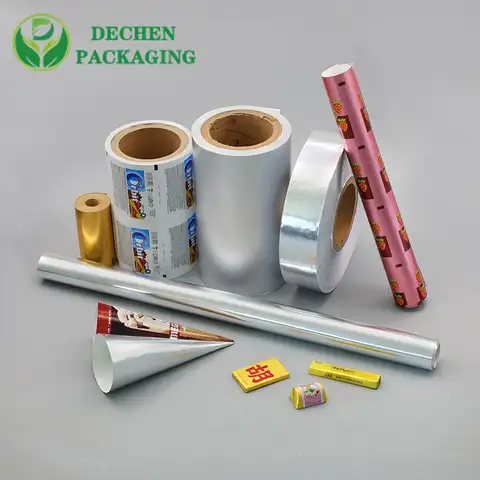
- can i use aluminum foil is suitable for food packaging, wrapping, and commercial display needs.
- can i use aluminum foil options support custom size, printing, packing, and brand presentation.
- can i use aluminum foil helps buyers compare material performance, finish, and application fit.
- can i use aluminum foil is available for wholesale supply, OEM projects, and repeat orders.
- can i use aluminum foil supports restaurants, factories, distributors, and private label packaging buyers.
Application Fit: Where Each Material Wins
Parchment paper is the default liner for baking sheets and pans because it provides a non-stick surface without adding grease or flavor. It also creates a barrier that slows browning, which helps cookies, pastries, and delicate items bake evenly. Foil, on the other hand, is a heat conductor. It speeds up cooking and can cause hot spots, leading to over-browned edges or burnt bottoms on baked goods. For roasting vegetables or fish, foil is useful for trapping moisture and creating a sealed packet, but it will not give you the same gentle, even heat as parchment.
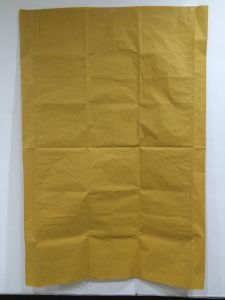
Related products and categories: Aluminum Foil Paper Bags · Fries Lined Food Paper Bag With Aluminum Foil · Aluminum Foil Lined Paper Bag For Hot Food French Fries Double Bags · Food Aluminum Kraft Paper Ice Cream Foil Bag.

If you are lining a sheet pan for roasting potatoes or baking cookies, parchment is the safer bet. If you are grilling or broiling, foil can handle direct heat and is easier to shape around food. For covering dishes during baking, foil works as a loose tent to prevent over-browning, but it should not touch the food surface directly if you want to avoid sticking.
Material Differences That Matter
The two materials differ in three ways that affect buying decisions: heat tolerance, non-stick performance, and recyclability. Parchment paper is typically coated with silicone, which gives it a release surface and allows it to withstand oven temperatures up to about 220°C (425°F) for standard grades, though some commercial grades are rated higher. Aluminum foil has no such coating; it can withstand much higher temperatures, often up to 600°C (1100°F), but it is not non-stick. Food will stick to foil, especially if it contains sugar or protein.

Recyclability is another consideration. Foil is recyclable if clean, but food-contaminated foil often ends up in landfill. Parchment paper is compostable in many commercial composting facilities, but only if it is uncoated or silicone-coated and free of food residue. Check with your local waste hauler before making sustainability claims.
Quick Comparison Table
| Property | Aluminum Foil | Parchment Paper |
|---|---|---|
| Heat resistance | Very high (up to ~600°C) | Moderate (up to ~220°C standard) |
| Non-stick | No | Yes (silicone coating) |
| Best for | Grilling, wrapping, high-heat shielding | Baking sheets, cake pans, delicate items |
| Recyclability | Recyclable if clean | Compostable if clean and uncoated |
Specifications and Supplier Questions
When buying either material in bulk, you need to verify more than just the price per roll. Ask your supplier for the exact temperature rating of the parchment paper, as some grades are designed for higher heat and will not scorch or become brittle. For foil, check the thickness (typically measured in microns or gauge) because thicker foil resists tearing and is better for wrapping heavy items. Also confirm whether the parchment is bleached or unbleached, and whether it is coated with silicone or quilon—this affects food contact safety and compostability.

Request a technical data sheet that lists the maximum operating temperature, the type of coating, and any food-contact certifications. If you are buying for a bakery or restaurant, ask for samples and run a side-by-side test with your actual recipes. Do not rely on the supplier's word alone; verify that the material performs in your ovens and with your menu items.
Limitations and Failure Risks
Using foil where parchment is expected can lead to several failures. Baked goods may stick, tear, or brown unevenly. Foil can also react with acidic foods like tomatoes or citrus, causing a metallic taste and discoloration. Parchment paper, on the other hand, can burn or smoke if exposed to temperatures above its rating, especially if it touches a heating element. It is also less durable than foil and can tear when lifting heavy items. Knowing these limits helps you choose the right material for each task and avoid costly waste.
Cost Drivers and Storage Considerations
Price per roll is only part of the cost equation. Parchment paper often costs more per square meter than foil, but it can reduce labor costs because it eliminates the need to grease pans and makes cleanup faster. Foil is cheaper upfront but may require additional oil or release agents, and it can be harder to recycle, adding to waste disposal costs. Storage is similar: both should be kept in a dry, cool place away from heat sources. Foil can be stored indefinitely, but parchment paper may absorb moisture and lose its non-stick properties if exposed to humidity.
Buyer FAQ
Can I Use Foil for Baking Cookies If I Grease It?
You can, but the results will differ. Greased foil still conducts heat more aggressively than parchment, so cookies may spread more and brown faster on the bottom. For consistent quality, parchment is the better choice.
Is Parchment Paper Safe at High Temperatures?
Only if it is rated for that temperature. Standard parchment is safe up to about 220°C, but some commercial grades are rated higher. Always check the supplier's specification before using it in a hot oven or under a broiler.
When you are ready to order, ask your supplier for a specification sheet and a sample roll. Test both materials in your own ovens with your most common recipes, and compare the results on browning, sticking, and cleanup time. That will tell you which material belongs in your kitchen—and where you can safely use foil without compromising quality.
Key product terms include can i use aluminum foil instead of parchment paper? for buyers comparing materials, applications, and supplier options.


