








For most commercial kitchens, the short answer is: yes, you can use aluminum foil in place of parchment paper for many tasks, but not all. Foil handles high heat and provides a barrier, yet it lacks the non-stick surface that parchment is known for. If your operation relies on baking sheets for cookies, pastries, or roasted vegetables, parchment is usually the safer choice. Foil shines for grilling, wrapping, and high-temperature roasting where you need a sturdy, heat-reflective layer. The decision comes down to your specific application, heat exposure, and whether sticking or cleanup is your bigger concern.
- can i use foil instead is suitable for food packaging, wrapping, and commercial display needs.
- can i use foil instead options support custom size, printing, packing, and brand presentation.
- can i use foil instead helps buyers compare material performance, finish, and application fit.
- can i use foil instead is available for wholesale supply, OEM projects, and repeat orders.
- can i use foil instead supports restaurants, factories, distributors, and private label packaging buyers.
Application Fit: Where Each Material Works Best
Parchment paper is coated with silicone, which gives it a non-stick surface and makes it ideal for baking delicate items like cookies, meringues, and laminated pastries. It also withstands oven temperatures up to roughly 220°C (425°F) without smoking or burning, though this varies by brand. Foil, on the other hand, can handle much higher heat—often up to 260°C (500°F) or more—making it suitable for broiling, grilling, and roasting. However, foil is not non-stick; food can stick to it, especially if it's not greased. For tasks like lining a sheet pan for roasted vegetables, foil works well because the vegetables release natural oils. For sticky items like caramel or cheese, parchment is the better barrier.
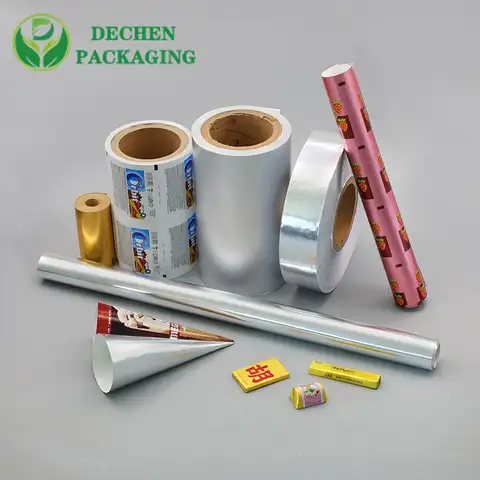
Related products and categories: Paper Tube Foil Liners · Aluminium Foil Laminated Paper - Eco-Friendly for Fresh Food & Pharma Use · Affordable Wholesale Foil Paper Rolls Tea Potato Chips Can Foil Paper · Silver Foil Paper Tube Packaging.

Heat Tolerance and Safety
Foil's higher heat tolerance is a key advantage. It can be used under a broiler or on a grill without scorching, while parchment may darken or smoke at very high temperatures. But foil conducts heat more intensely, which can cause uneven browning or over-browning on the bottom of baked goods. Parchment provides a more even heat distribution, which is why it's preferred for cakes and cookies. Also, foil is not recommended for use in microwave ovens unless the manufacturer specifies it, as it can cause arcing. Parchment is generally microwave-safe, but always check the packaging.
Material Differences: Construction and Performance
Parchment paper is made from paper that's been treated with sulfuric acid or coated with silicone to make it heat-resistant and non-stick. It's available bleached or unbleached, and some grades are compostable. Foil is a thin sheet of aluminum, typically 0.016 mm to 0.2 mm thick, and it's fully recyclable if clean. The key performance difference is that parchment is porous enough to allow some steam to escape, which helps baked goods rise evenly. Foil is a complete barrier, trapping steam and making it ideal for wrapping foods to keep them moist. That same barrier can make baked goods soggy if used as a liner.

Non-Stick Performance
If your primary concern is preventing food from sticking, parchment is the clear winner. Its silicone coating means you rarely need to grease the pan. Foil requires oil or cooking spray to prevent sticking, and even then, delicate items like fish or eggs can tear. For high-volume production, the time saved by not greasing pans can be significant. However, foil's non-stick performance improves when it's crimped or shaped to hold food, as in a foil packet for grilling.
Comparison Table: Foil Vs. Parchment Paper
| Property | Aluminum Foil | Parchment Paper |
|---|---|---|
| Heat tolerance | Up to ~260°C (500°F) | Up to ~220°C (425°F) |
| Non-stick | Poor without oil | Excellent |
| Moisture barrier | Complete | Partial (allows steam) |
| Best for | Grilling, broiling, wrapping | Baking, roasting, lining pans |
Limitations and Failure Risks
Using foil in place of parchment can lead to several issues. First, sticking: without proper greasing, food can adhere to the foil, ruining presentation and increasing waste. Second, foil can react with acidic foods like tomatoes or citrus, causing a metallic taste and discoloration. Parchment is inert and won't react. Third, foil's heat conductivity can cause hot spots, leading to burnt edges on baked goods. Finally, foil is not suitable for use in microwave ovens, while parchment is generally safe. If you're considering foil for a specific application, test it with a small batch first to see if sticking or browning is acceptable.

Specifications and Supplier Questions
When sourcing either material, ask your supplier for specific product data. For parchment, confirm the maximum temperature rating, whether it's bleached or unbleached, and if it's coated with silicone or quilon. For foil, check the thickness (gauge), the alloy (usually 1100 or 3003), and whether it's heavy-duty or standard. Also ask about roll length and width to match your sheet pans. If you need food-safe certification, request documentation such as FDA or EU compliance statements. Don't assume all parchment is oven-safe to the same temperature; some brands are only rated to 200°C (400°F).
Cost Drivers and Storage Considerations
Foil is generally cheaper per square foot than parchment, but the cost difference narrows when you factor in the need for greasing and potential food waste from sticking. Parchment is often sold in pre-cut sheets, which can reduce labor but increase cost per use. Foil rolls are more flexible for custom sizes. Storage is straightforward for both: keep them in a dry, cool place away from heat sources. Foil can tear if punctured, so store it flat or in its original box. Parchment can absorb odors, so keep it sealed.
Sample Validation and Buying Steps
Before committing to a large order, request samples from at least two suppliers. Test each material in your actual ovens with your most common recipes. Evaluate sticking, browning, and cleanup time. Measure the roll width against your sheet pans to ensure full coverage. Check the packaging for any recycling or disposal instructions that align with your waste management. Once you've selected a product, start with a small order to confirm consistency across batches.
Buyer FAQ
Can I Use Foil for Baking Cookies?
Yes, but you'll need to grease the foil to prevent sticking. Cookies may also brown faster on the bottom due to foil's heat conductivity. For best results, use parchment.
Is Foil Safe for All Oven Types?
Foil is safe for conventional and convection ovens, but not for microwaves. Always check the manufacturer's guidelines for your specific oven.
When choosing between foil and parchment, match the material to the task. For high-heat grilling or wrapping, foil is your ally. For non-stick baking and even heat, parchment is the professional's choice. Verify the specifications with your supplier, run a sample test, and you'll avoid costly mistakes in your kitchen.
Key product terms include can i use foil instead of parchment paper? for buyers comparing materials, applications, and supplier options.


