








For most commercial baking and food-service operations, yes—parchment paper can replace foil in the oven, and it often performs better for non-stick and release applications. But the swap is not universal. Foil still wins for high-heat grilling, broiling, and tasks that demand a rigid, moldable barrier. The right choice depends on your specific application, oven temperatures, and whether you prioritize non-stick release or heat shielding.
- can i use parchment paper is suitable for food packaging, wrapping, and commercial display needs.
- can i use parchment paper options support custom size, printing, packing, and brand presentation.
- can i use parchment paper helps buyers compare material performance, finish, and application fit.
- can i use parchment paper is available for wholesale supply, OEM projects, and repeat orders.
- can i use parchment paper supports restaurants, factories, distributors, and private label packaging buyers.
Application Fit: Where Each Material Excels
Parchment paper is coated with silicone, which gives it a non-stick surface and makes it ideal for baking sheets, cake pans, and roasting trays. It eliminates the need for greasing and makes cleanup faster. Foil, on the other hand, is a metal sheet that can be shaped, crimped, and folded. It works well for covering dishes, wrapping food for grilling, or creating a barrier against direct heat.
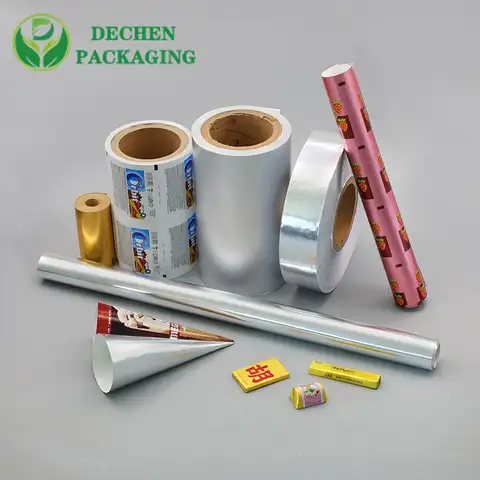
Related products and categories: Paper Tube Foil Liners · Aluminium Foil Laminated Paper - Eco-Friendly for Fresh Food & Pharma Use · Affordable Wholesale Foil Paper Rolls Tea Potato Chips Can Foil Paper · Silver Foil Paper Tube Packaging.

In a busy kitchen, the decision often comes down to the task. If you are baking cookies, roasting vegetables, or lining sheet pans, parchment is the better choice. If you are broiling fish, grilling over an open flame, or need to tent a turkey, foil remains the practical option.
Heat Tolerance and Safety Considerations
Parchment paper is generally rated for oven use up to about 220°C (425°F), though some products may vary. Exceeding that limit can cause the paper to brown, smoke, or even ignite. Foil can withstand much higher temperatures, making it suitable for broiling and grilling. However, foil is not non-stick, and acidic foods like tomatoes or citrus can react with the metal, affecting flavor and appearance.

When choosing between the two, check the manufacturer's temperature rating for the parchment paper you are considering. If your recipes require temperatures above 220°C, foil is the safer option.
Material and Construction Differences
Parchment paper is made from paper that has been treated with sulfuric acid or coated with silicone to give it heat resistance and non-stick properties. It is typically bleached or unbleached, and the silicone coating is what provides the release. Foil is a thin sheet of aluminum, usually around 0.02 mm thick, that is malleable and can be recycled.

These differences affect performance. Parchment does not conduct heat, so it does not promote browning on the bottom of baked goods. Foil conducts heat well, which can lead to more even cooking but also to sticking. For delicate pastries, parchment is gentler; for searing or crisping, foil may be preferable.
Comparison Table: Parchment Vs. Foil
| Factor | Parchment Paper | Foil |
|---|---|---|
| Non-stick | Yes | No |
| Max temp | ~220°C | Higher |
| Moldable | No | Yes |
| Acid-safe | Yes | No |
| Best for | Baking, roasting | Grilling, broiling |
Specifications and Supplier Questions
When sourcing parchment paper for commercial use, ask suppliers for the following specifications:

- Temperature rating (confirm the maximum safe oven temperature).
- Coating type (silicone-coated vs. uncoated).
- Sheet size and roll length to match your baking sheets.
- Whether it is bleached or unbleached, if that matters to your brand.
- Food-grade certification (e.g., FDA or EU compliance) if required for your market.
For foil, confirm thickness (standard is around 0.02 mm) and whether it is heavy-duty for grilling or standard for wrapping.
Limitations and Failure Risks
Parchment paper can tear or curl if it overhangs the pan, and it is not suitable for direct flame or temperatures above its rating. Foil can tear at creases, and it may stick to food if not oiled. Both materials have failure modes that can disrupt service, so it is wise to test a new product before committing to a large order.

Sample Validation and Buying Steps
Before switching entirely to parchment, run a trial in your own kitchen. Test it with your most common recipes, at your typical oven temperatures, and with the pans you use daily. Check for sticking, browning, and ease of cleanup. If you are buying in bulk, request samples from multiple suppliers and compare performance side by side.
Cost Drivers
Parchment paper is generally more expensive per sheet than foil, but it can save labor costs by reducing the need for greasing and scrubbing. Foil is cheaper upfront but may require oil or cooking spray, adding to consumable costs. Consider the total cost of use, not just the unit price.
Storage and Handling
Store parchment paper in a dry, cool place to prevent moisture absorption. Foil can be stored at room temperature but should be kept away from acidic substances to avoid corrosion. Both should be kept in their original packaging to protect them from dust and damage.
Buyer FAQ
Can Parchment Paper Go in the Microwave?
Yes, parchment paper is generally microwave-safe, but foil is not. If you need a microwave-safe liner, parchment is the better choice.
Is Parchment Paper Recyclable?
Most parchment paper is not recyclable due to the silicone coating, while foil is recyclable if clean. Check with your local recycling program for specific rules.
For most commercial kitchens, keeping both materials in stock is the most practical approach. Use parchment for baking and roasting, and reserve foil for high-heat grilling and broiling. When you are ready to buy, request samples and verify the temperature ratings with your supplier. That way, you can make the switch with confidence, knowing it will hold up in your specific applications.
Key product terms include can i use parchment paper instead of foil? for buyers comparing materials, applications, and supplier options.


