








For most commercial baking applications, baking paper remains the safer default, but aluminium foil can be a practical substitute when you need heat resistance beyond 220°C, want a moisture barrier, or are lining trays for roasting rather than delicate pastry. The decision is not about which material is universally better; it is about matching the liner to the bake, the oven, and the cleanup routine you already run.
- can you use aluminium foil is suitable for food packaging, wrapping, and commercial display needs.
- can you use aluminium foil options support custom size, printing, packing, and brand presentation.
- can you use aluminium foil helps buyers compare material performance, finish, and application fit.
- can you use aluminium foil is available for wholesale supply, OEM projects, and repeat orders.
- can you use aluminium foil supports restaurants, factories, distributors, and private label packaging buyers.
Application Fit: Where Foil Works and Where It Fails
Aluminium foil handles high heat well and reflects radiant heat, which can help produce crisper bases on pizzas or flatbreads. It also forms a tight seal around food, making it useful for steaming fish or vegetables in the oven. However, foil is not non-stick. Delicate items like macarons, meringues, or thin cookies can stick and tear, especially if the bake contains sugar or acid. Baking paper, by contrast, is coated with silicone, giving it release properties that foil lacks. For high-sugar or high-fat bakes, paper is the reliable choice.
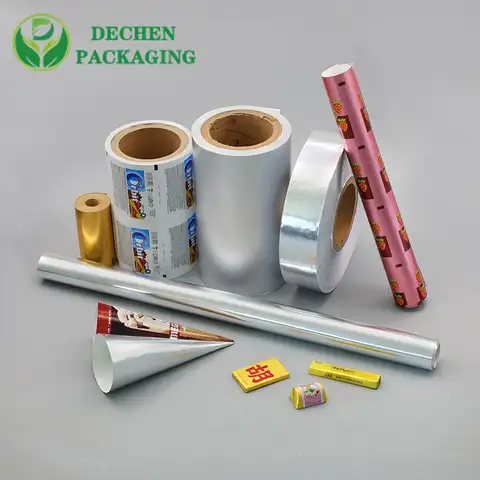
Related products and categories: Paper Tube Foil Liners · Aluminium Foil Laminated Paper - Eco-Friendly for Fresh Food & Pharma Use · Affordable Wholesale Paper With Foil Wrap Aluminium Foil Coated Paper · Affordable Wholesale Foil Paper Rolls Tea Potato Chips Can Foil Paper.

Material Differences That Affect Your Bake
The key difference is surface chemistry. Baking paper is porous and breathable, allowing steam to escape, which helps baked goods rise evenly and brown without soggy bottoms. Foil is impermeable, trapping steam and creating a moister environment. That can be an advantage for roasts or braises, but it can make cookies spread more and cakes bake unevenly. Foil also conducts heat more aggressively, so edges may brown faster. If you need a liner that does not alter browning or moisture, paper is the safer bet.
Quick Comparison for Buyers
| Factor | Aluminium Foil | Baking Paper |
|---|---|---|
| Non-stick | Poor without oil | Good (silicone coated) |
| Heat tolerance | High (up to 300°C+) | Typically up to 220–250°C |
| Moisture barrier | Yes | No (breathable) |
| Best for | Roasting, grilling, sealing | Baking, pastry, cookies |
Specifications and Supplier Questions
When buying foil for kitchen use, check the gauge (thickness) and whether it is food-grade. Standard household foil is around 0.016 mm, but commercial kitchens often prefer heavier foil (0.02 mm or more) for durability. For baking paper, ask about the silicone coating weight and whether it is bleached or unbleached. Also confirm the maximum safe temperature, as some papers are rated lower than others. If you are considering foil as a substitute, ask your supplier for a sample to test with your specific recipes and ovens.

Limitations and Failure Risks
Foil can react with acidic foods like tomatoes or citrus, causing a metallic taste and discoloration. It also tears easily when crimped, and if it comes into contact with heating elements, it can cause arcing in electric ovens. Baking paper can burn if it extends beyond the tray or touches the oven walls, and it is not suitable for very high-heat applications like broiling. Neither material is compostable in standard industrial facilities unless specifically labeled.
Sample Validation and Buying Steps
Before committing to a large order, run a side-by-side test. Bake the same product on foil and on paper, and compare browning, sticking, and release. Also test cleanup: foil can be reused if not too soiled, but paper is single-use. Check how each liner behaves with your oven's convection settings, as airflow can lift lightweight paper. If you are switching from paper to foil, start with a small batch to see if your recipes need adjustments in time or temperature.

Cost Drivers and Storage Considerations
Foil is generally cheaper per sheet than baking paper, but if you need to oil it to prevent sticking, the cost of oil and labor may offset the savings. Foil rolls take up less space than flat paper sheets, but they are harder to dispense quickly in a busy kitchen. Baking paper comes in pre-cut sheets or rolls; pre-cut sheets reduce waste but cost more per unit. Store both in a dry, cool place, away from heat sources, to prevent oxidation or moisture damage.
Safety and Quality Control
Ensure any foil or paper you buy is food-contact approved. For foil, check that it is labeled for food use and does not have a plastic coating. For paper, verify that the silicone coating is food-safe and that the paper does not contain recycled fibers that could migrate into food. Ask your supplier for certificates of compliance or test reports, and keep them on file for audits.

Buyer FAQ
Can I Use Foil for Baking Cookies?
Yes, but expect more spreading and potential sticking. Grease the foil lightly or use a silicone mat underneath. For chewy cookies, foil may work; for delicate shortbread, paper is better.
Is Foil Safe for All Oven Types?
Foil is safe in conventional and convection ovens, but avoid contact with heating elements. In microwave ovens, foil can cause sparks and should not be used.

When you are ready to order, ask your supplier for a specification sheet that lists the exact thickness, temperature rating, and food-contact compliance for both foil and paper. Test a sample batch in your own ovens, and then decide based on the results, not on habit. That is the only way to know which liner truly fits your production line.
Key product terms include can you use aluminium foil instead of baking paper? for buyers comparing materials, applications, and supplier options.


