








For most takeout operations, the practical starting point is a kraft paper bag with a grease-resistant lining or coating, because it balances cost, printability, and everyday durability. But the right choice depends on what you serve, how the food travels, and how much you are willing to spend per order. This guide walks through the trade-offs so you can match the bag to your actual use case, not just to a supplier's catalog.
- How should I choose take is suitable for food packaging, wrapping, and commercial display needs.
- How should I choose take options support custom size, printing, packing, and brand presentation.
- take out bag material selection helps buyers compare material performance, finish, and application fit.
- food packaging bag supplier checklist is available for wholesale supply, OEM projects, and repeat orders.
- How should I choose take supports restaurants, factories, distributors, and private label packaging buyers.
Match the Bag to Your Food and Delivery Distance
Start by listing what you typically pack. Hot, oily items like fried chicken or pizza demand a bag that resists grease and holds heat without turning soggy. Cold items, such as salads or sandwiches, need less insulation but still require a bag that won't tear under the weight of containers. If you deliver by bike or courier, consider a bag with a flat bottom and reinforced handles, because they withstand more jostling than a simple folded-top sack. For short counter-to-car trips, a lighter bag may be fine, but for longer delivery windows, durability becomes the deciding factor.
Related products and categories: Food Paper Bags · Food Take Out Bag Kraft Paper Bakery Bag Customized Paper Bag Packaging · Take Out Bag Custom Paper Bag For Food Glassine Bags Gusset · Eco Take Out Bag Greasproof Food Paper Bag Customizable Kraft Bag Food.

Material and Construction: What Actually Matters
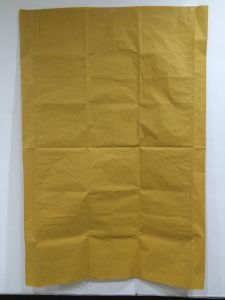
Kraft paper is the workhorse of takeout packaging. It is sturdy, recyclable, and takes printing well. However, uncoated kraft will absorb grease and weaken quickly. A polyethylene (PE) coating or a bio-based lining adds a moisture barrier, but it can complicate recycling. Polypropylene (PP) bags are more tear-resistant and handle wet conditions better, but they are less breathable, which can make hot food steam and lose crispness. Cloth or nonwoven polypropylene bags are reusable and often used for delivery programs, but they cost more per unit and require a return system to be economical.
Construction details matter more than most buyers expect. A gusseted bag expands to hold bulky containers, while a flat-bottom bag stands upright on a counter or in a delivery bag. Handles should be reinforced at the attachment point, especially for heavy orders. Double-stitched or heat-sealed seams are stronger than glued ones, but they add cost. Ask your supplier for a sample and test it with your heaviest typical order, not just with a single sandwich.

Comparison at a Glance
| Material | Best For | Watch Out For | Cost Level |
|---|---|---|---|
| Kraft paper (uncoated) | Dry items, light takeout | Grease and moisture weaken it | Low |
| Kraft with PE coating | Oily or saucy food | Not compostable; check recyclability | Medium |
| Polypropylene (PP) | Wet or heavy orders | Poor breathability; can steam food | Medium |
| Reusable nonwoven | Delivery programs with returns | High upfront cost; needs logistics | High |
Specifications and Supplier Questions
Before you order in bulk, confirm the basics: dimensions (width, height, gusset), basis weight (grams per square meter for paper), handle type, and maximum load. Ask for the bag's load capacity in kilograms, not just a vague "heavy duty." Also request a sample and run a simple test: fill it with your heaviest container, add a bit of weight, and shake it gently. Check for seam failure, handle tear, or grease seepage. If the supplier cannot provide a sample or clear specifications, treat that as a red flag.
Cost Drivers and Storage Considerations
Price per bag drops with volume, but shipping and storage costs can erase those savings. Bags are bulky, so a cheaper unit price from a distant supplier may cost more after freight. Store bags in a dry, cool area; paper bags absorb humidity and lose strength, while plastic bags can become brittle in cold conditions. If you order in large quantities, rotate stock to avoid using old, weakened bags.

Limitations and Failure Risks
No single bag solves every problem. A grease-resistant bag may still leak if the seam is not sealed properly. A compostable bag may break down too quickly if it sits on a shelf for months. And a bag that works for a burger may collapse under a family-sized pasta container. Test with your actual menu, and ask the supplier about the bag's intended use and any known limitations. If a supplier cannot explain the limits, that is a warning sign.
Buyer FAQ
Should I Choose Paper or Plastic Takeout Bags?
Paper bags are better for dry, hot items and are easier to brand with printing. Plastic bags handle moisture and heavy loads better, but they are less breathable and may not suit hot, crispy food. Your choice depends on your menu and local recycling rules.
How Do I Verify a Supplier's Quality Claims?
Ask for a sample and test it with your heaviest order. Request load capacity, material specifications, and any relevant certifications in writing. If the supplier hesitates, consider another source.
When you are ready to order, start with a small batch that matches your most common order size. Test it in real delivery conditions, not just at the counter. That sample run will tell you more than any spec sheet about whether the bag survives the trip from your kitchen to your customer's hands.
Key product terms include How should I choose take out bags for packaging food, take out bag material selection, food packaging bag supplier checklist for buyers comparing materials, applications, and supplier options.


