








For most commercial barbecue operations, butcher paper is the safer default for wrapping pork shoulder, but foil still earns its place in specific workflows. The choice is not about tradition; it is about how you manage moisture, bark, and cook time across a busy smoke schedule. This guide walks through the material differences, the trade-offs, and the questions to put to your supplier before you commit to a case order.
- should i wrap pork shoulder is suitable for food packaging, wrapping, and commercial display needs.
- should i wrap pork shoulder options support custom size, printing, packing, and brand presentation.
- should i wrap pork shoulder helps buyers compare material performance, finish, and application fit.
- should i wrap pork shoulder is available for wholesale supply, OEM projects, and repeat orders.
- should i wrap pork shoulder supports restaurants, factories, distributors, and private label packaging buyers.
What the Wrap Actually Does
Wrapping pork shoulder is a heat-management tool, not a flavor step. It accelerates cooking by trapping heat and steam, and it protects the surface from over-smoking. The two materials achieve this differently, and that difference matters more than brand loyalty.
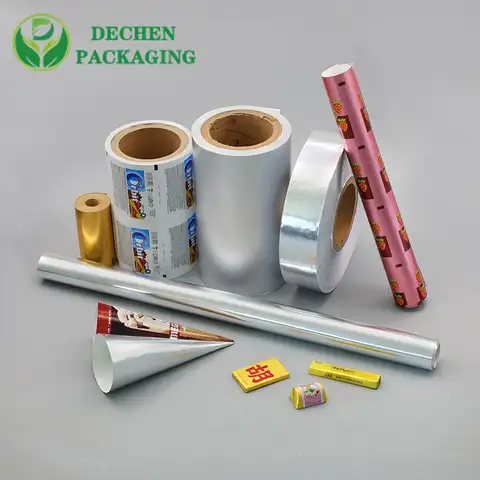
Related products and categories: Foil Laminated Paper · Affordable Wholesale Brown Foil Paper Foil Laminated Paper Manufacturer · Aluminium Foil Backed Paper Tissue Paper Wrappers For Butter · Affordable Wholesale Ice Cream Foil Paper Roll Aluminium Foil Laminated Packaging Paper.

Foil is a vapor barrier. It locks in nearly all moisture, which softens the bark and can make the exterior tender rather than crisp. Butcher paper, by contrast, is breathable. It lets some steam escape, so the bark stays firmer while the interior still braises. For pulled pork, where bark is often mixed into the final product, that texture difference is a real quality lever.
Material and Construction Differences
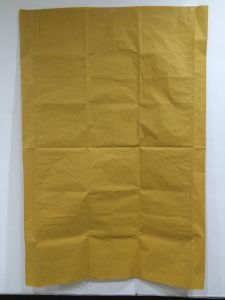
Foil is a thin aluminum sheet, typically 0.0005 to 0.001 inches thick in commercial rolls. It is impermeable to moisture and air, and it conducts heat well. Butcher paper is a heavy kraft paper, usually 30 to 40 pounds per ream, coated with a thin polyethylene layer on one side. That coating is what makes it moisture-resistant but still breathable. The coating also means butcher paper is not compostable in most municipal systems, so check local disposal rules if that matters to your operation.

Foil tears easily at the edges, especially when you wrap a heavy shoulder. Butcher paper is more forgiving, but it can split if you pull it too tight. Both materials have a learning curve, but the failure modes are different: foil punctures, paper rips.
Comparison at a Glance
| Factor | Foil | Butcher Paper |
|---|---|---|
| Moisture retention | High | Moderate |
| Bark texture | Softens | Preserves |
| Cook time | Faster | Slightly slower |
| Reusability | No | No |
This is a simplification, but it captures the core trade-off. If you are running a high-volume smokehouse where every hour counts, foil can shave time off the stall. If you are selling bark-forward pulled pork, butcher paper keeps that texture intact.

Cost Drivers and Supplier Questions
Price per roll varies widely by gauge, width, and coating. Foil is often cheaper per square foot, but it is single-use and can tear, leading to waste. Butcher paper is more expensive per roll, but it is stronger and can be used for wrapping sandwiches or lining trays, so it may replace other supplies.
When you talk to a supplier, ask about the specific product specs. For foil, confirm the thickness and whether it is heavy-duty or standard. For butcher paper, ask about the polyethylene coating weight and the paper's burst strength. Also ask about roll width and length, because that affects how many shoulders you can wrap per roll and how much storage space you need.
Limitations and Failure Risks
Foil can react with acidic marinades or rubs, leaving a metallic taste. It also conducts heat unevenly if you wrap too loosely, creating hot spots. Butcher paper can dry out the surface if you leave it on too long, and it is not suitable for very long holds because it does not seal in moisture as effectively.
Neither material is designed for direct flame contact. Always wrap the shoulder after it has developed a good bark, usually around 160°F internal temperature, and place it back on the smoker with the seam up to avoid dripping.
Sample Validation before You Buy
Do not order a full case based on a spec sheet. Ask your supplier for samples of both materials, then run a side-by-side test with your own rub and smoke schedule. Measure cook time, bark firmness, and moisture loss. That test will tell you more than any marketing claim.
Also check the roll's core size and whether it fits your existing dispenser. A roll that does not fit your setup is a hidden cost.
Frequently Asked Questions
Can I Reuse Butcher Paper or Foil?
No. Both are single-use in commercial food service. Reusing them risks cross-contamination and weakens the material, so factor that into your cost per cook.
Does the Wrap Affect Smoke Flavor?
Yes, but indirectly. Foil stops smoke penetration once wrapped, while butcher paper allows some smoke to continue reaching the meat. If you want a deeper smoke flavor, butcher paper gives you a longer window before the bark sets.
Your final decision should come down to your product style and your cook schedule. If you prioritize bark and are willing to accept a slightly longer cook, butcher paper is the better investment. If speed is your bottleneck and you do not mind a softer exterior, foil will serve you well. Run the sample test, confirm the specs with your supplier, and then buy in the format that fits your workflow.
Key product terms include should i wrap pork shoulder in foil or butcher paper? for buyers comparing materials, applications, and supplier options.


