
-
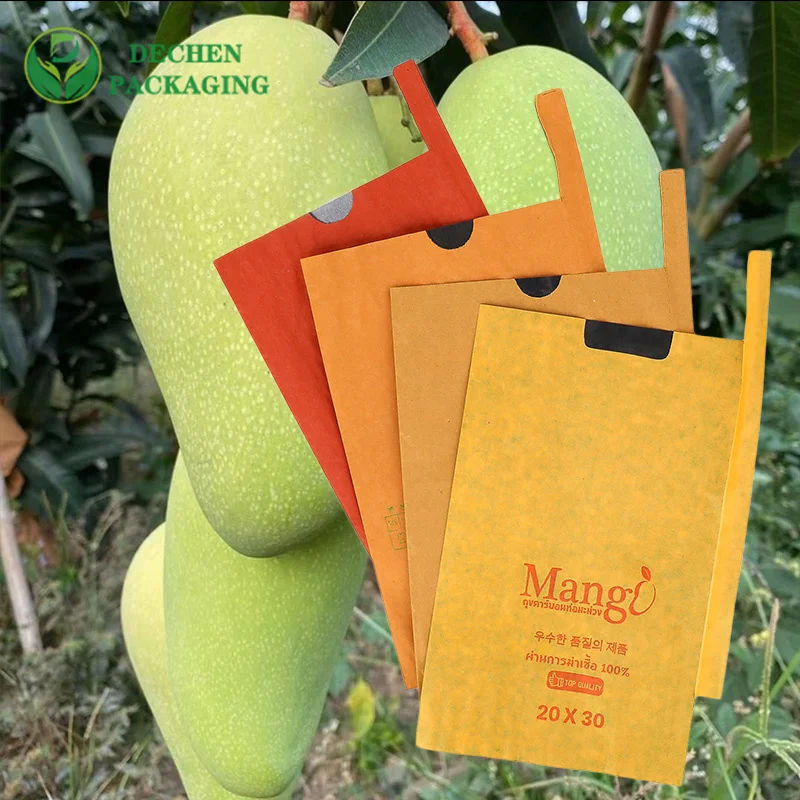
Cover Mango Protection Paper Bag In Sri Lanka
-
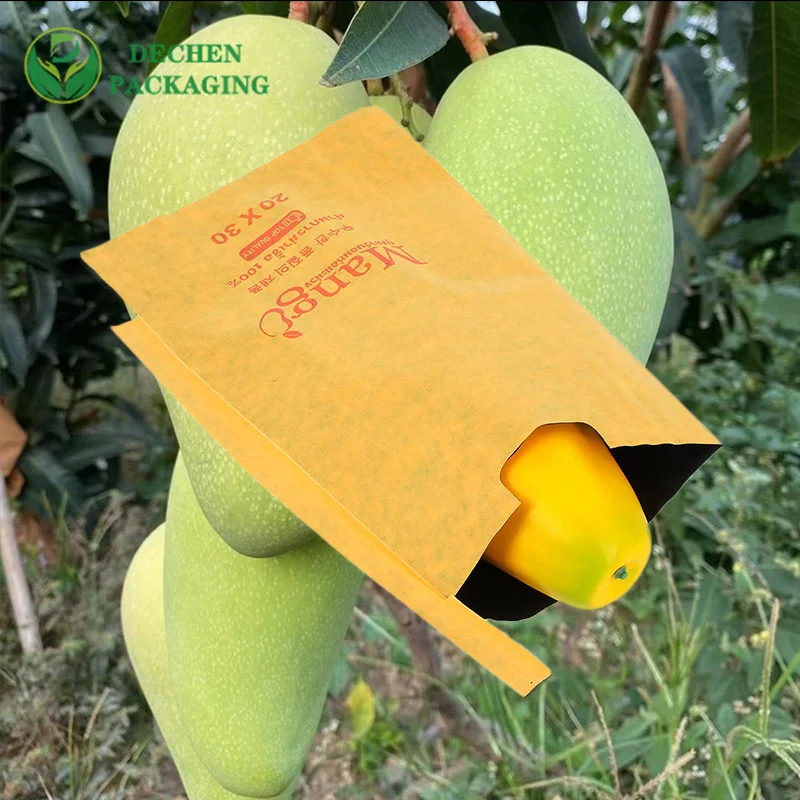
Taiwan Mango Paper Bag Protection In Sri Lanka
-
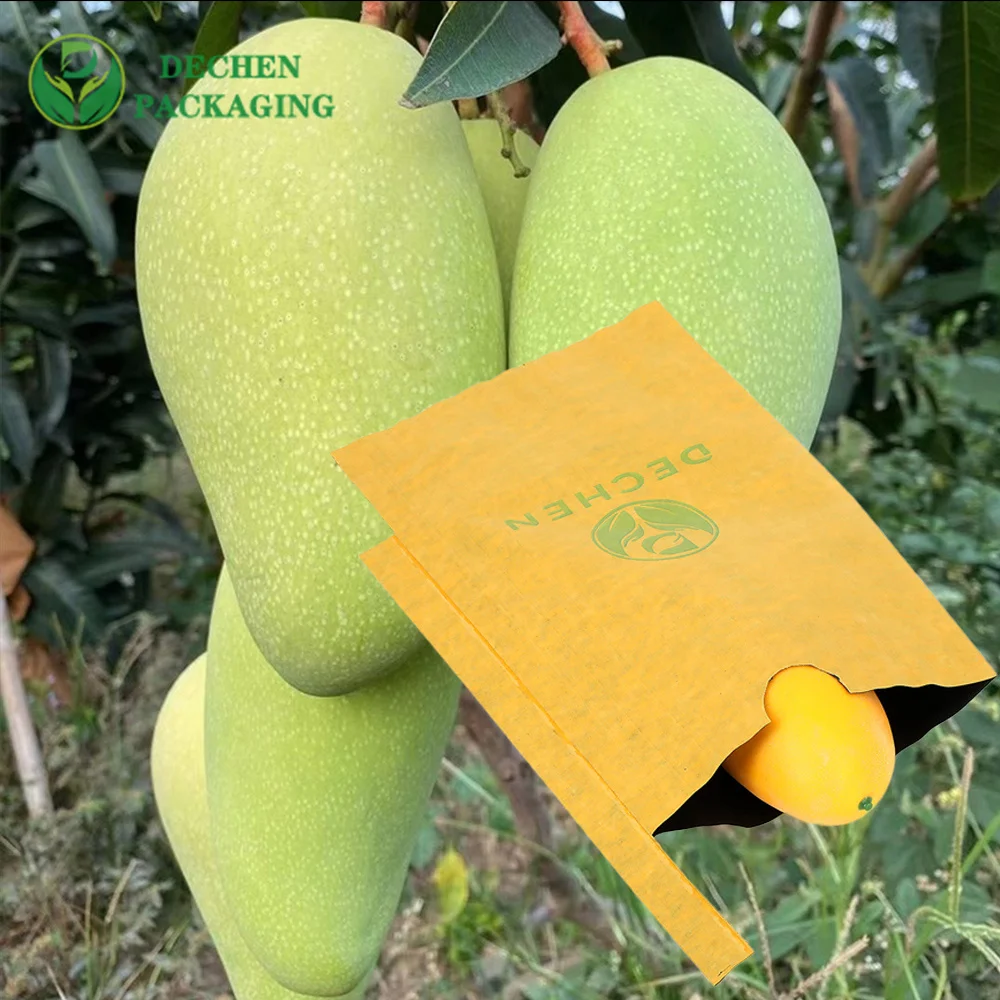
Mango Paper Bag Fruit Protection Bags Near Me
-
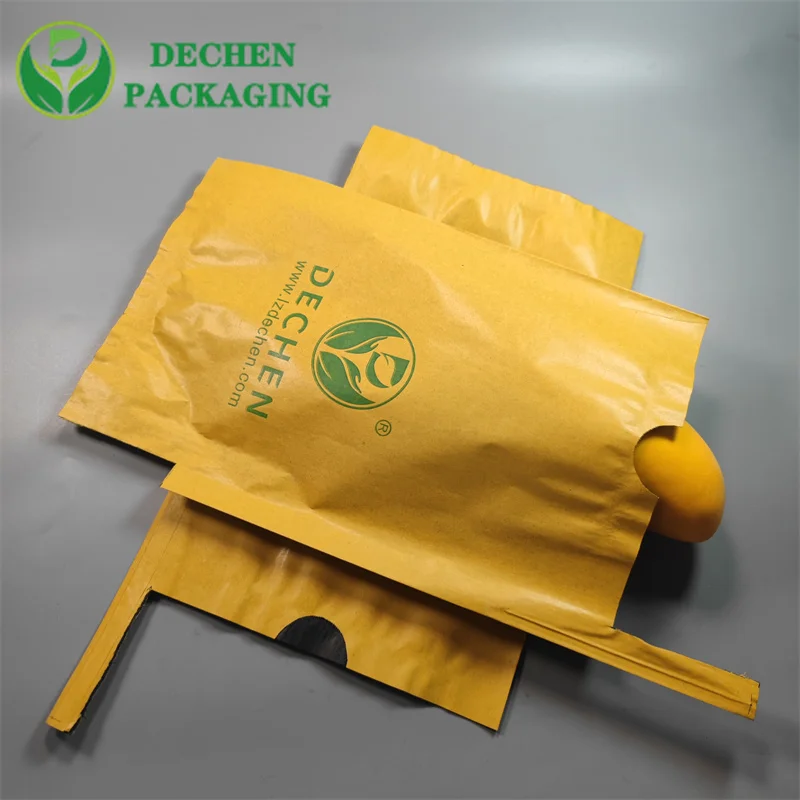
Grape Mango Cover Fruit Protection Bag Manufacturers
-
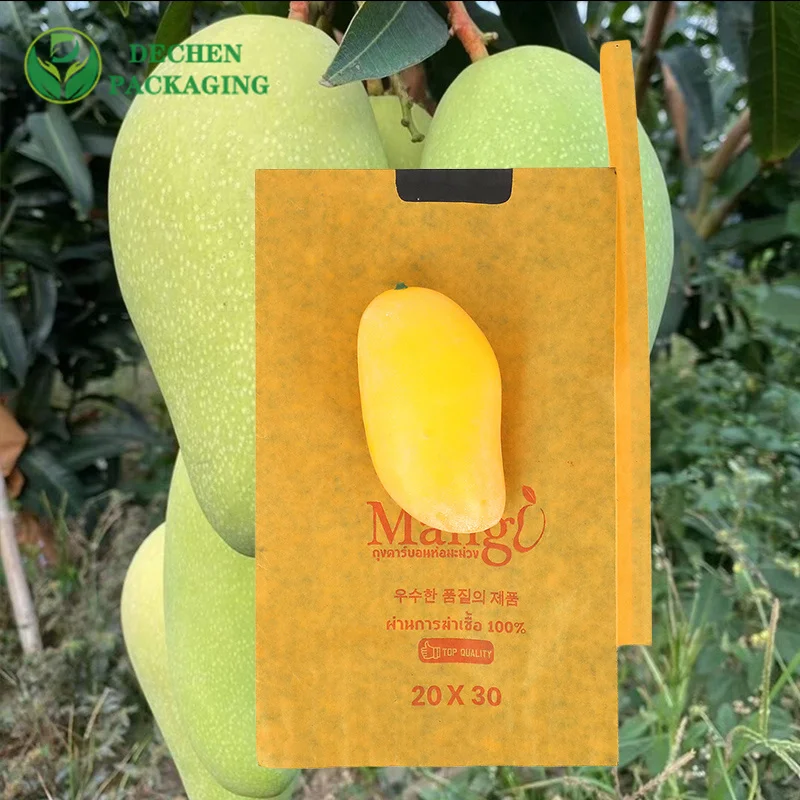
Mango Fruit Protecting Paper Bag
-
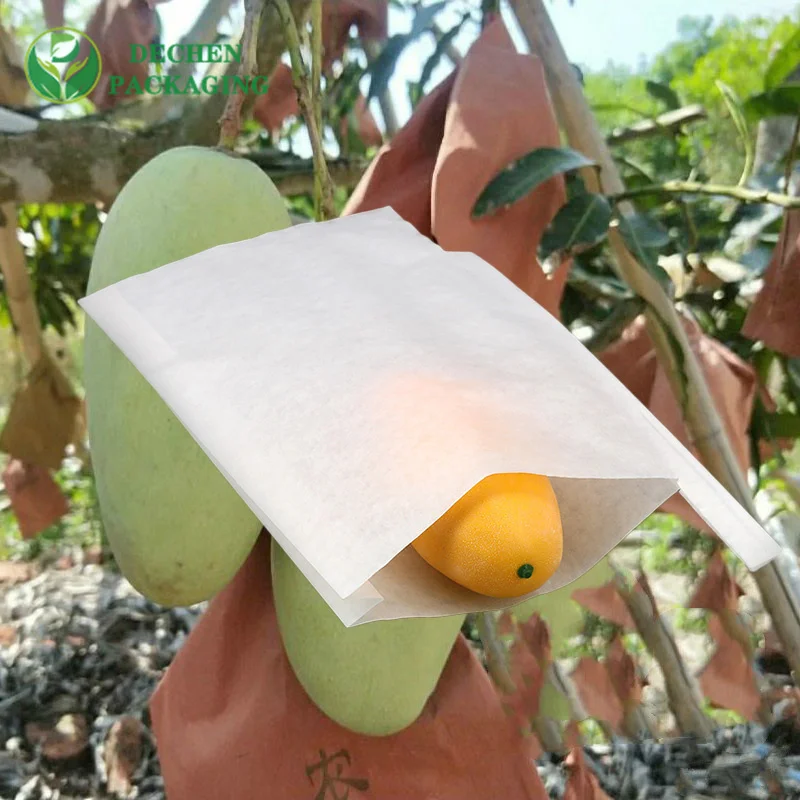
Sri Lanka Mango Fruit Protection Bags
-
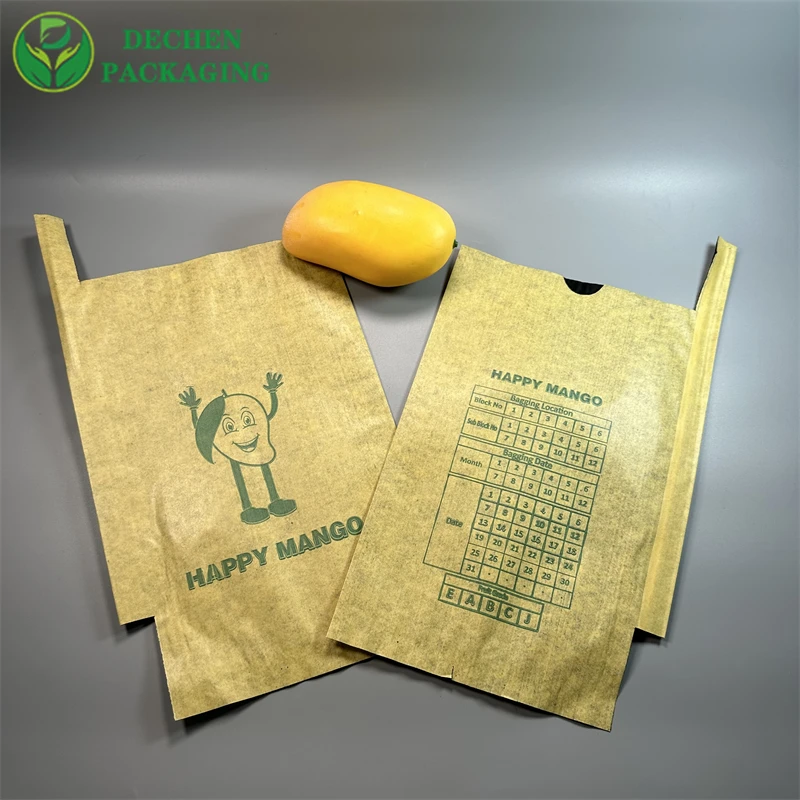
Wholesale fruit bagging in mango cover bag manufacturers
-
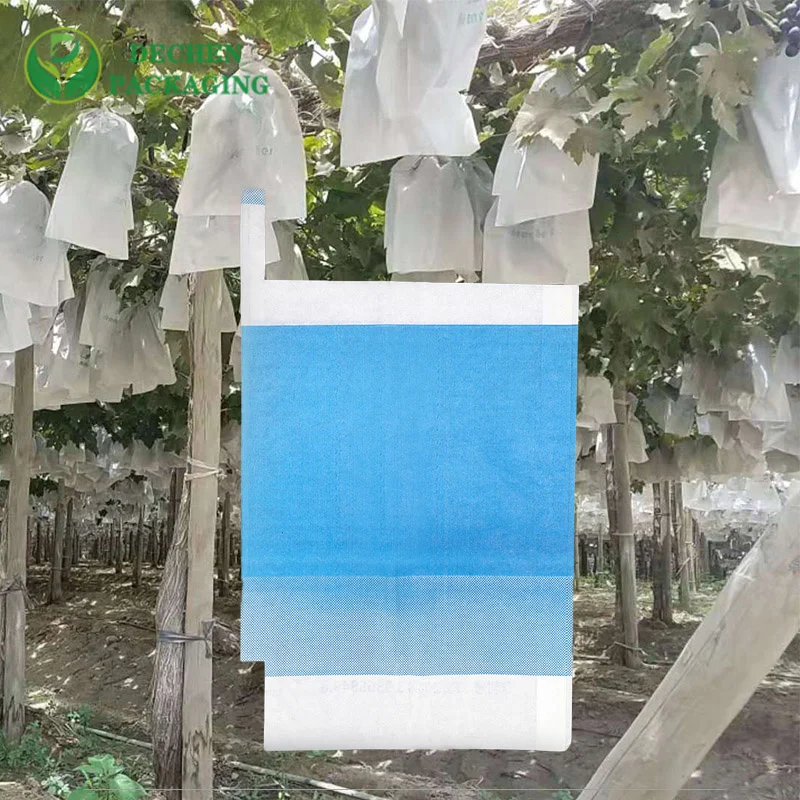
Fruit Pest Bags Growing Paper Grape Protection Bag Green
-
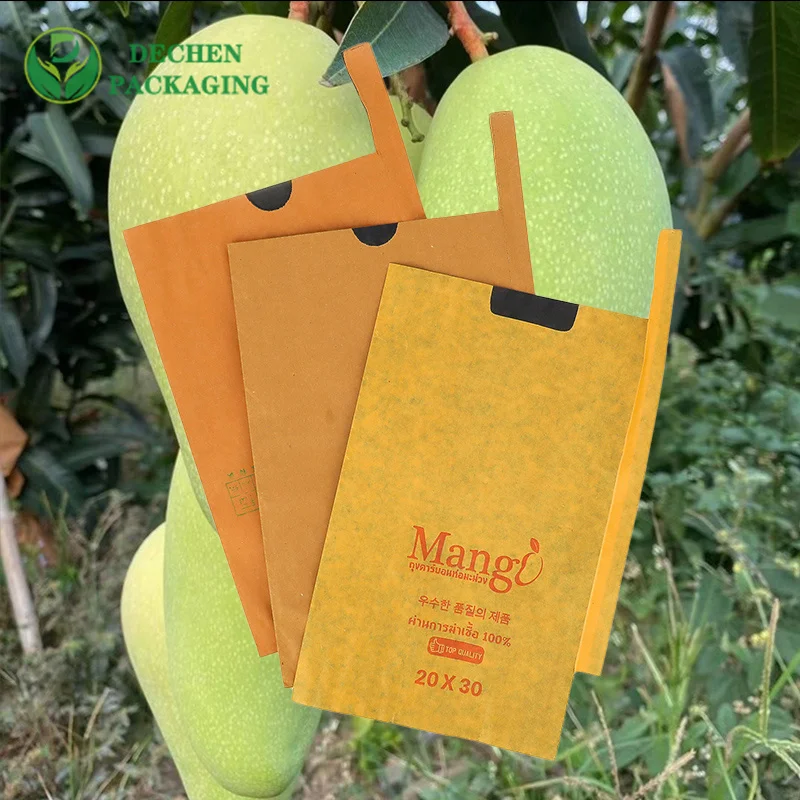
Insects Bags Fruit Insect-proof Paper Growing Protective Bag For Mango
-
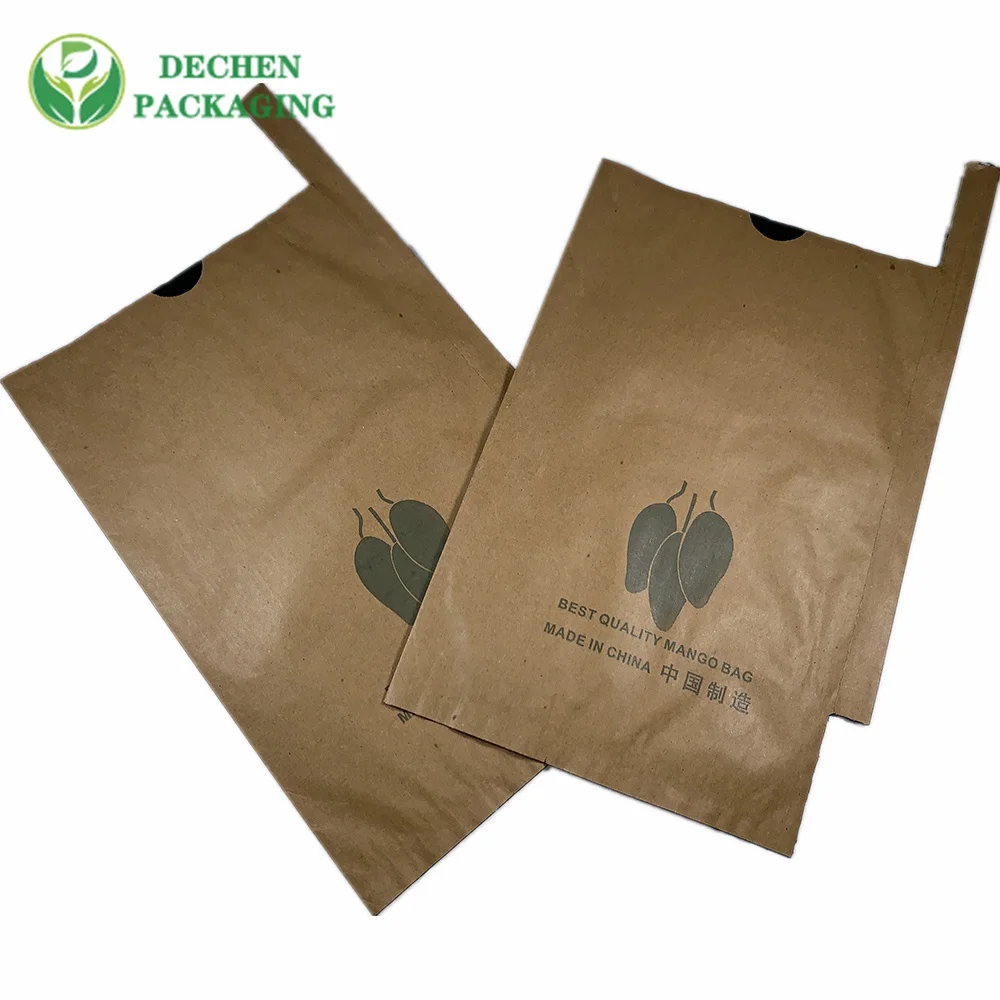
Famous Mango Cover Bag with Top-Rated Mango Fruit Protection Bags - Trusted & Premium
-
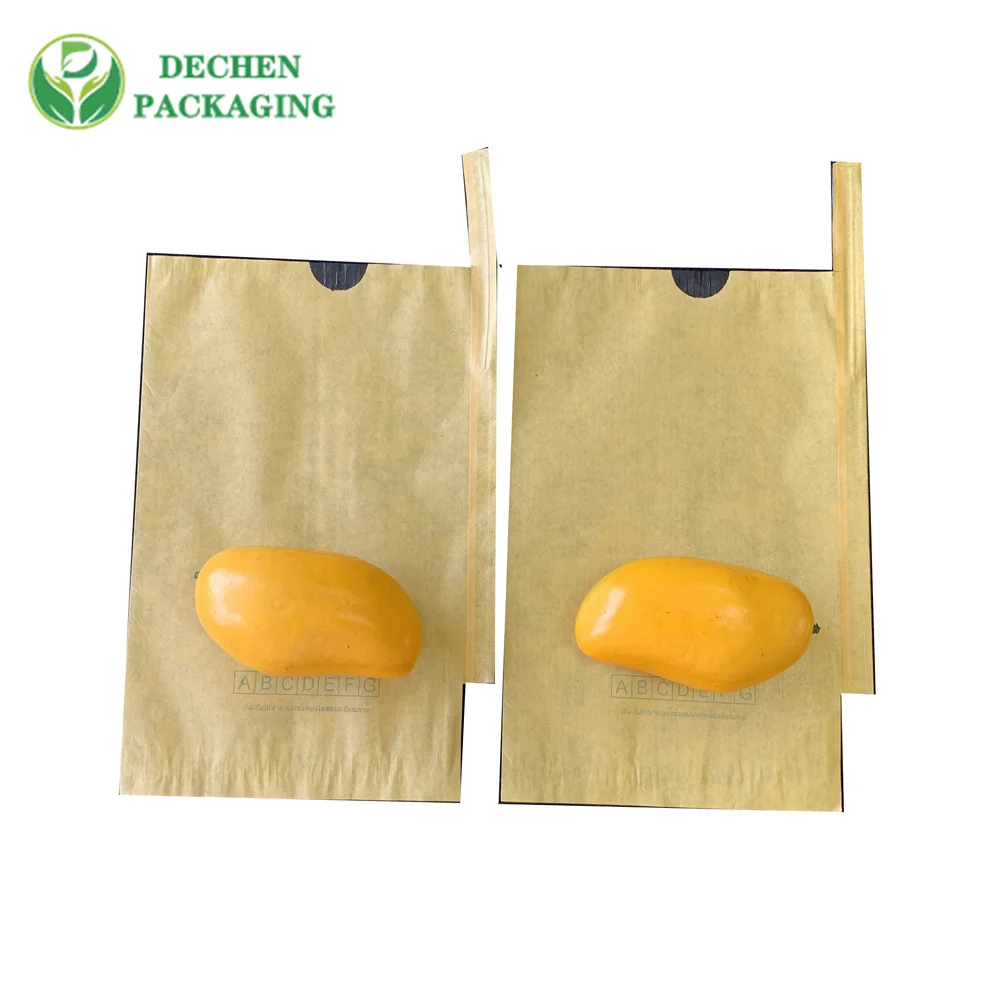
Discount Fruit Bagging in Mango with Mango Bagging Discounts - Cost-Saving & Premium
-
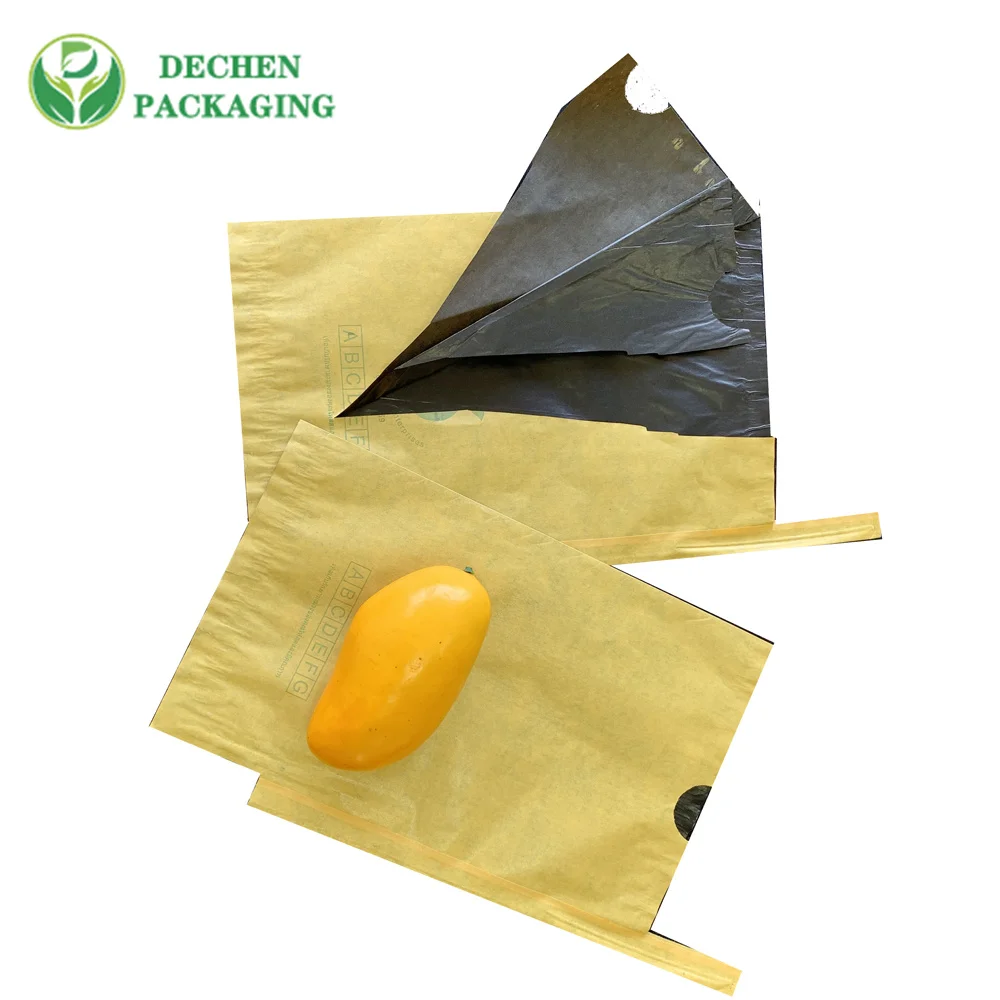
Custom Mango Cover Bag with Bespoke Mango Fruit Protection Bags - Durable & Personalized
-
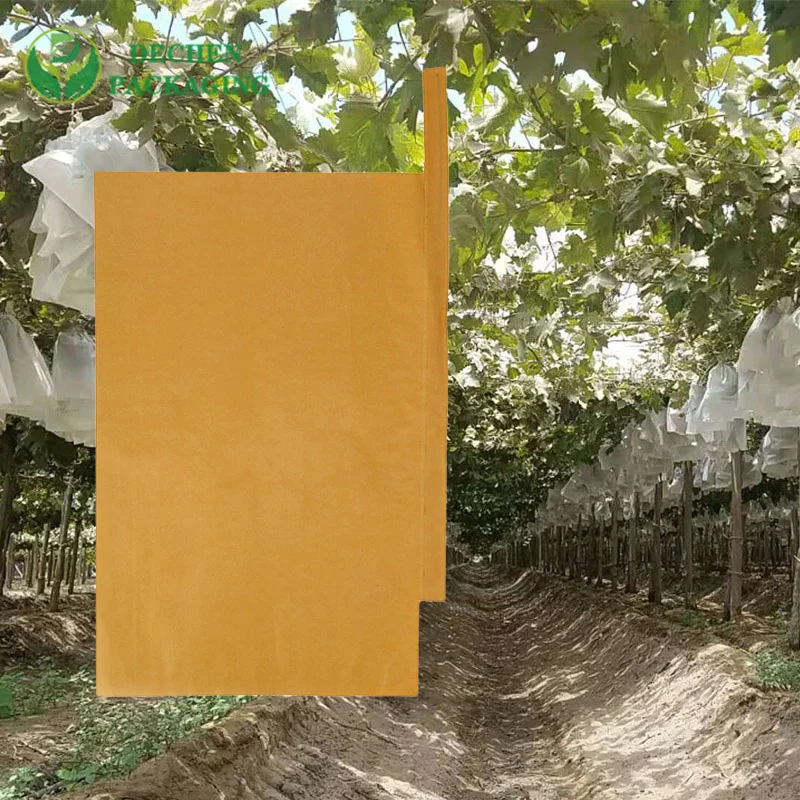
Waterproof Mango Cover Paper Bag For Fruit Protection
-
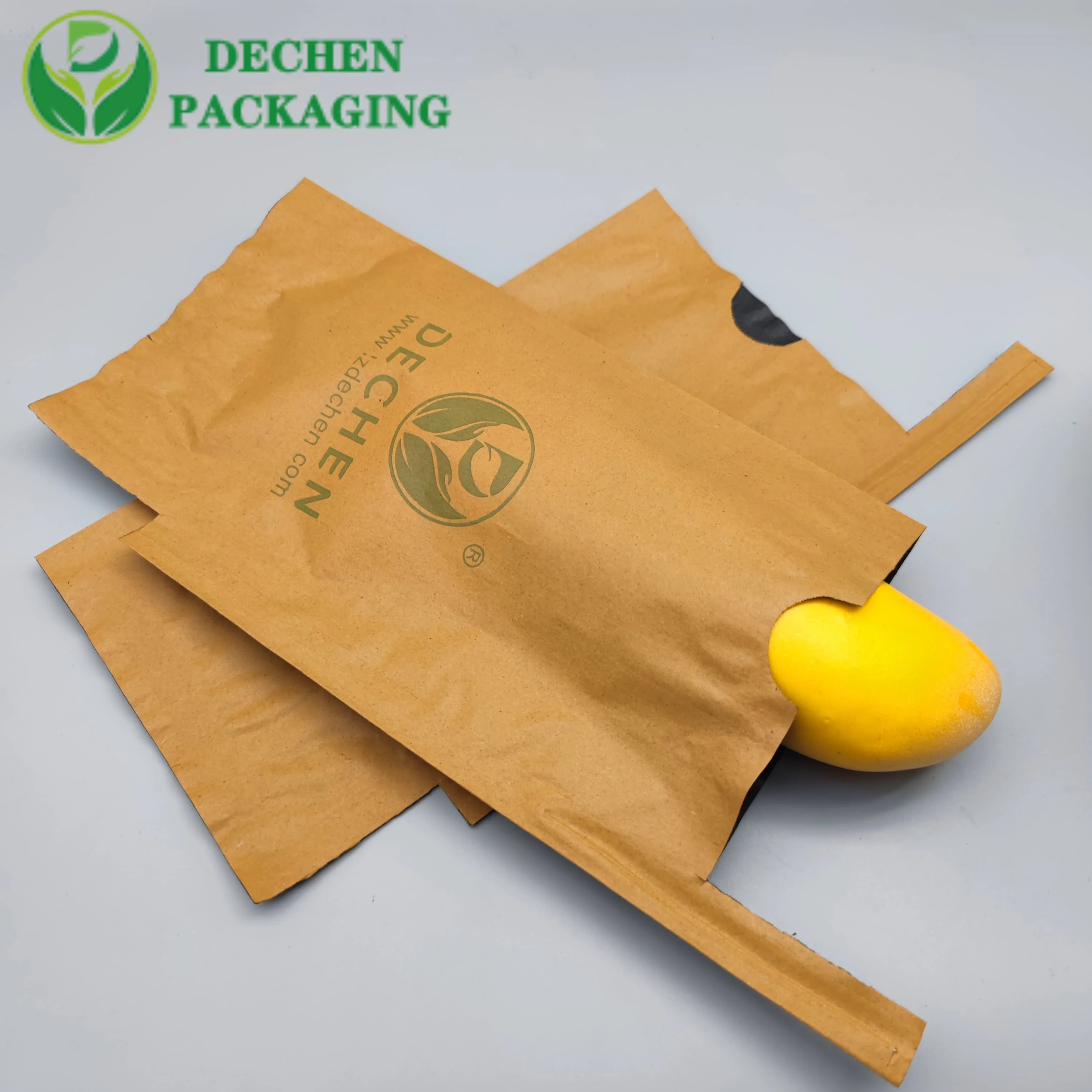
Harvesting Paper Protect Mango Fruit Cover Protection Bag
-
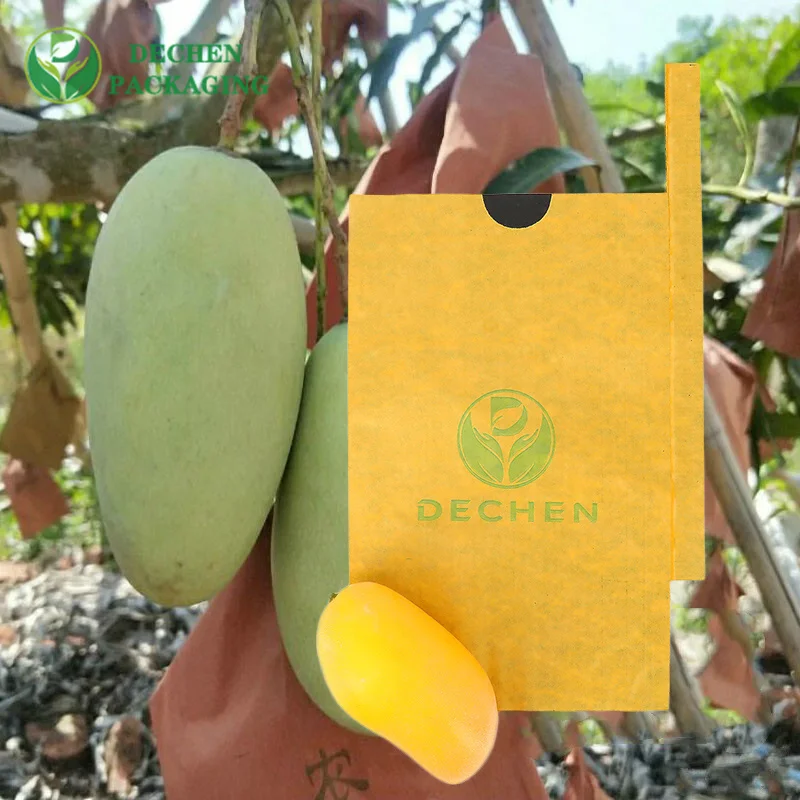
Fruit Protection Bags From Squirrels
-
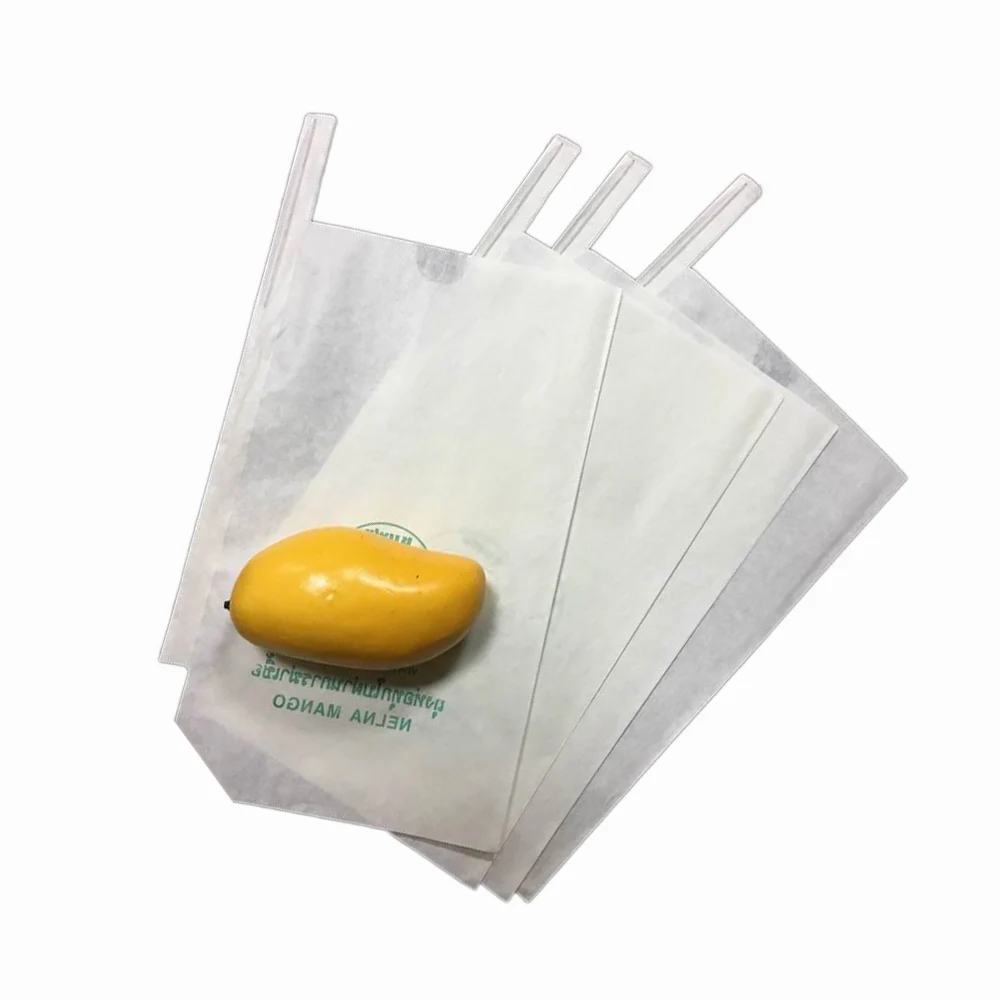
Cover Fruit Protection Paper Bags Double Layeres Mango Growing Bag
-
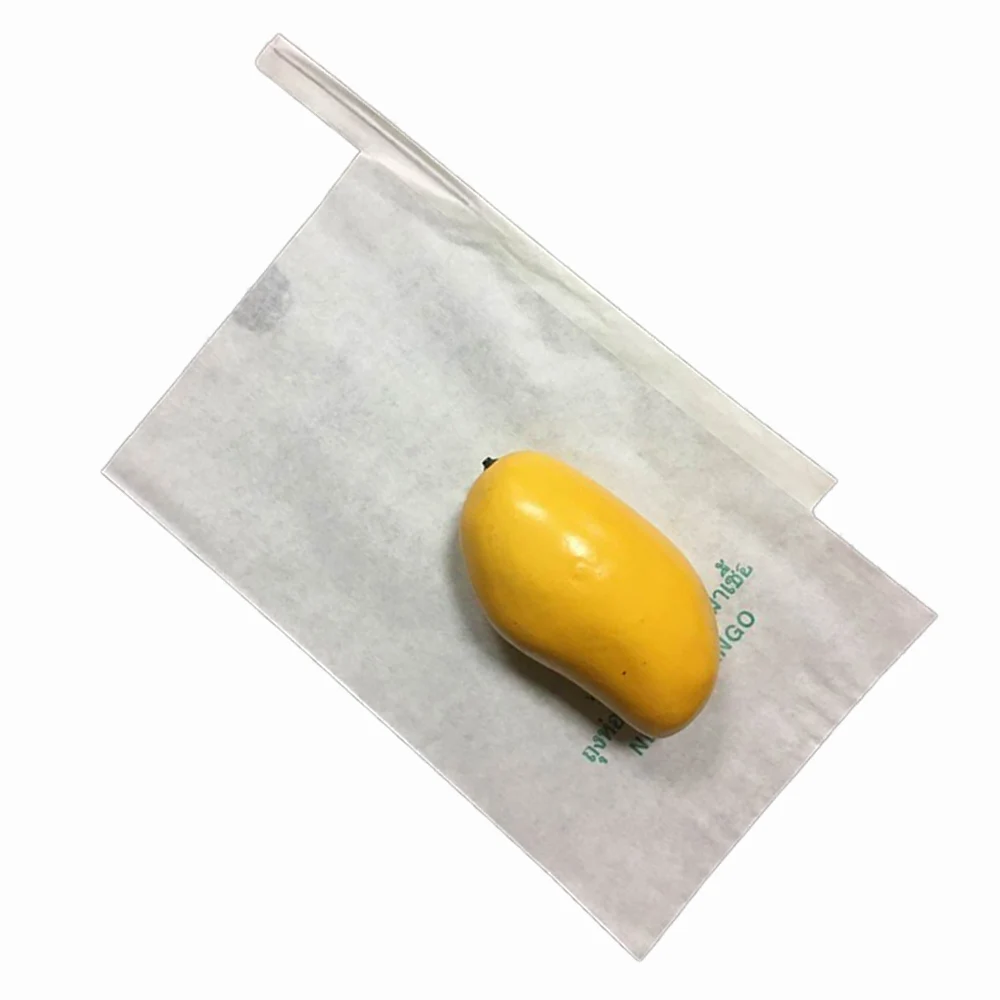
Paper Sac Of Fruit Barrier Cover Bags For Grape Mango Apple Protect Bag
-
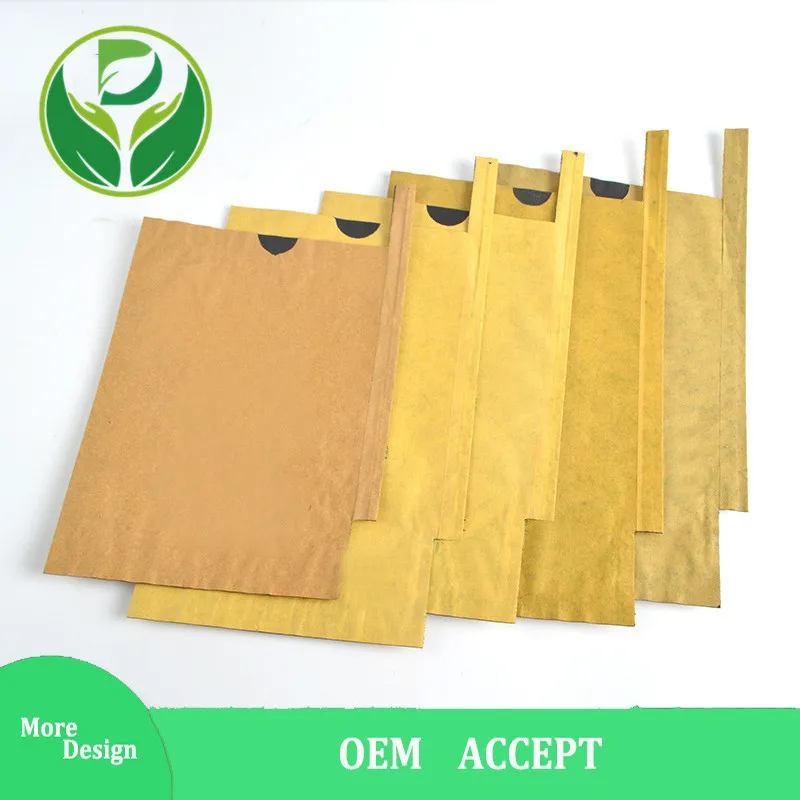
Strawberry Grow Bangladesh Mango Bag Anti Insect Paper Fruit Protect Bags
-
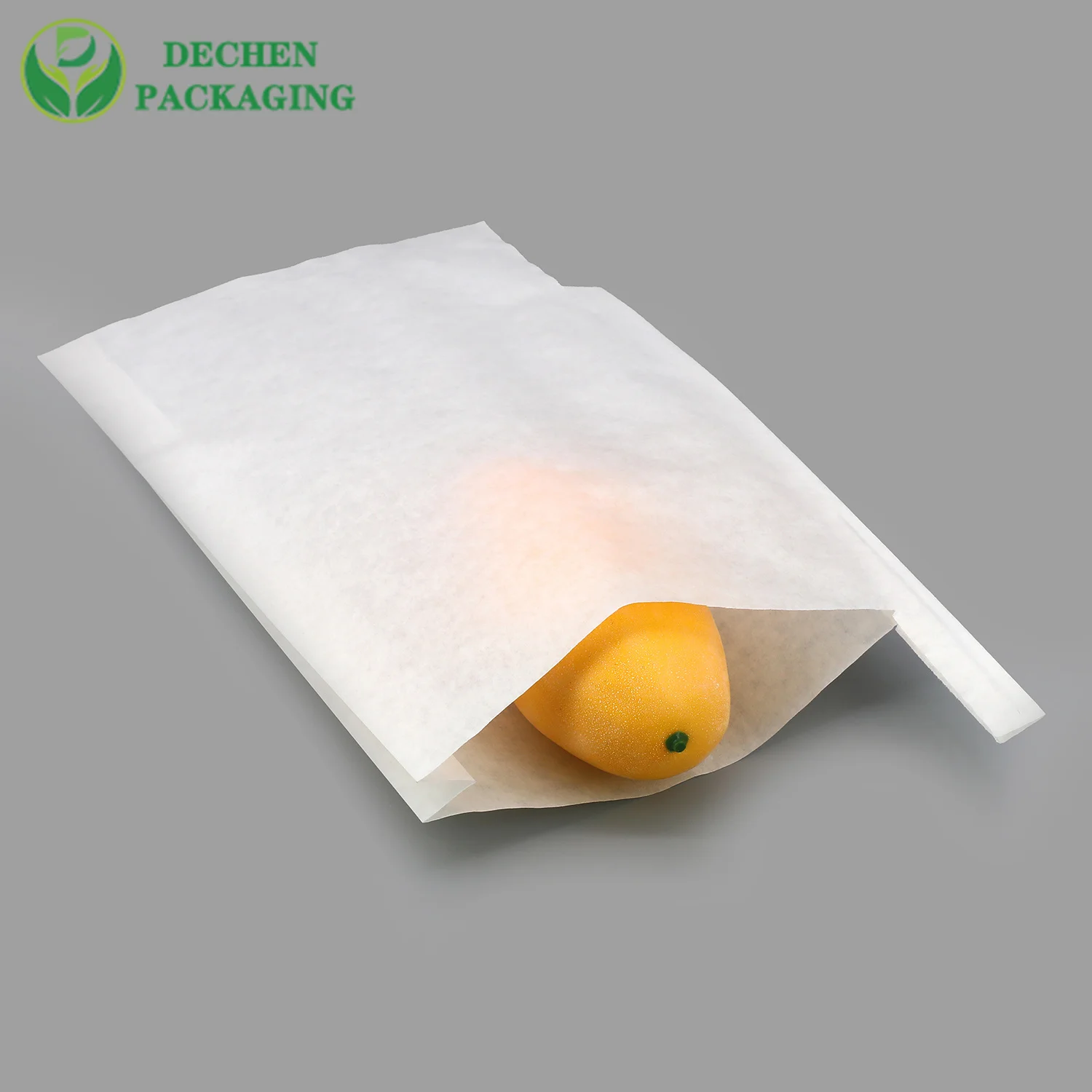
Banana Bunch Cover Best Selling Waterproof Food Grade Mango Paper Protection Bag
-
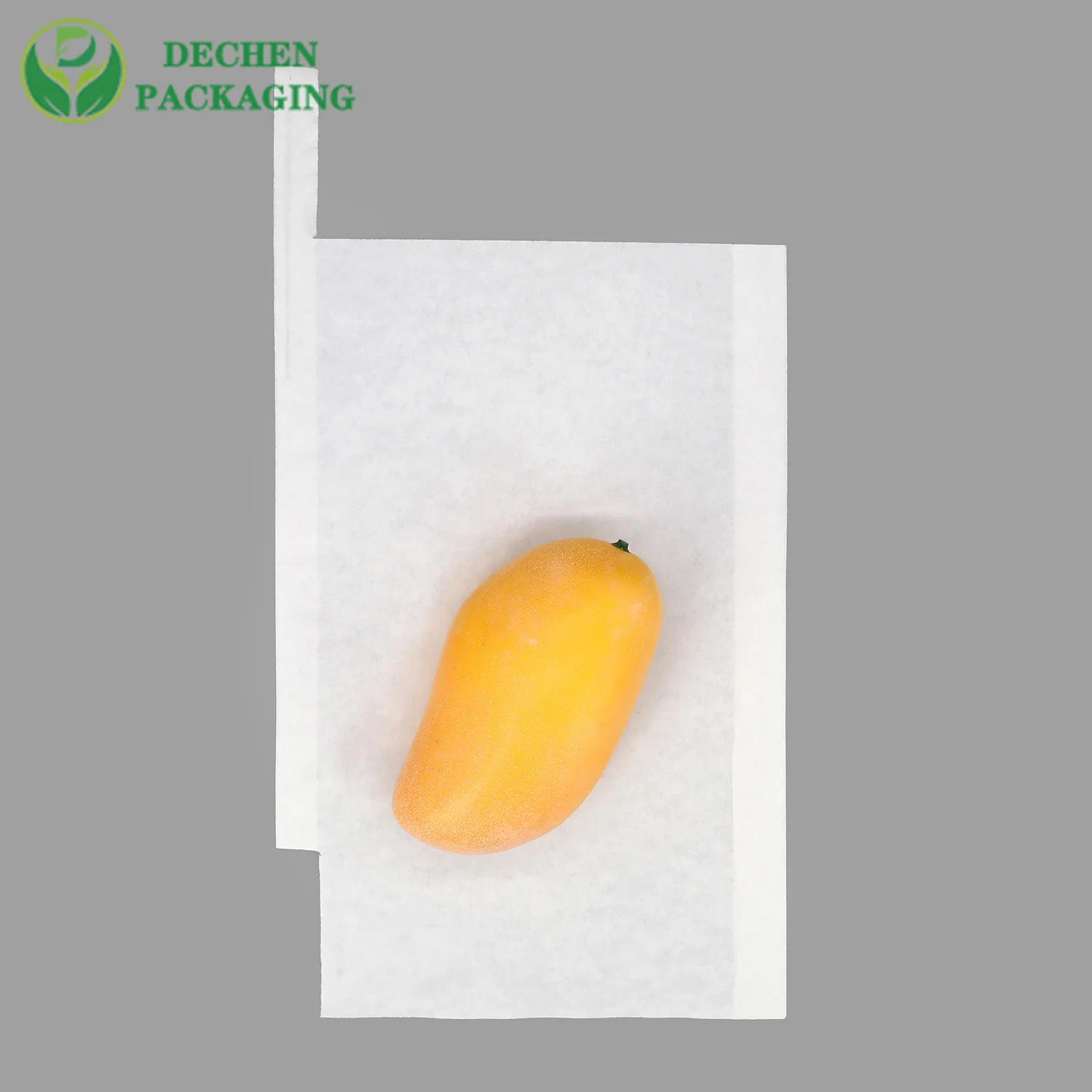
Beach With Wax Coated Fruit Wrapping Waterproof Mango Paper Bag
Categories Related Searches:
For mango growers, nothing is more frustrating than watching ripe, juicy mangoes get ruined by pests, harsh weather, or physical damage before harvest. That’s where the mango protection bag comes in as a game-changing solution. This simple yet effective tool has become a must-have for both small-scale farmers and large commercial orchards, helping to preserve mango quality, increase yield, and boost market value. In this guide, we’ll explore why every mango grower should invest in mango protection bag, how to choose the right one, and the benefits it brings to your harvest.
What Is a Mango Protection Bag, and Why Do You Need It?
A mango protection bag is a specialized covering designed to shield mango fruits from external threats throughout their growth cycle. Made from materials like non-woven fabric, polyethylene, or breathable paper, these bags are lightweight, moisture-permeable, and durable enough to withstand rain, wind, and sunlight. Unlike traditional pest control methods that rely on chemicals,mango protection bag offers a physical barrier—keeping insects, birds, and rodents at bay without leaving harmful residues on the fruit.
But the benefits don’t stop at pest control. Mangoes are sensitive to extreme temperatures and direct sunlight, which can cause sunscald, uneven ripening, or premature drop. A high-quality mango protection bag filters sunlight to prevent scorching, maintains a stable microclimate around the fruit, and reduces water loss during dry spells. For organic growers, this is especially valuable: it aligns with organic farming standards by minimizing chemical use, making your mangoes more appealing to eco-conscious consumers.
How to Choose the Perfect Mango Protection Bag for Your Orchard
Not all mango protection bag products are created equal. The right choice depends on your climate, mango variety, and growing goals. Here are key factors to consider:
- Material: Non-woven fabric bags are ideal for humid climates—they’re breathable, prevent mold growth, and decompose naturally if left in the soil. Polyethylene bags are water-resistant, making them great for rainy regions, but opt for UV-stabilized versions to avoid cracking in direct sunlight. Paper bags are budget-friendly but best for dry areas, as they may tear when wet.
- Size: Choose a mango protection bag that fits your mango variety. Smaller bags work for baby mangoes, while larger varieties like Alphonso or Kent need room to grow—look for bags with a drawstring or elastic opening to secure the fruit without restricting growth.
- Light Transmission: Some bags are designed to block excess light (preventing sunscald), while others allow partial light to promote even ripening. If you’re growing mangoes in a hot, sunny area, go for opaque or semi-opaque mango protection bag; in cooler regions, translucent bags may be better.
The Impact of Mango Protection Bag on Yield and Profit
Investing in mango protection bag isn’t just about protecting fruit—it’s about boosting your bottom line. A study by agricultural researchers found that mango orchards using protection bags saw a 30-40% reduction in fruit loss due to pests and weather. Additionally, protected mangoes have smoother skin, brighter color, and fewer blemishes—qualities that make them more attractive to retailers and consumers, allowing you to command higher prices.
For small-scale growers, mango protection bag is a cost-effective solution. Unlike expensive pesticides or irrigation systems, bags are affordable and easy to apply—you can cover 100 mangoes with a single roll of bags, and the labor required is minimal. Even for large orchards, the return on investment is clear: the cost of bags is quickly offset by the increase in marketable fruit.
Tips for Using Mango Protection Bag Effectively
To get the most out of your mango protection bag, follow these best practices:
- Apply at the Right Time: Cover mangoes when they’re about the size of a golf ball—this is when they’re most vulnerable to pests and sun damage. Applying too early may restrict growth, while applying too late could mean the fruit is already infested.
- Secure Properly: Use the bag’s drawstring or tie it loosely around the mango stem to prevent pests from crawling inside. Avoid tying too tightly, as this can damage the stem and cut off nutrient flow to the fruit.
- Inspect Regularly: Check the bags every 2-3 weeks for signs of damage or mold. If a bag is torn, replace it immediately to keep the fruit protected.
- Remove Before Harvest: Take off the mango protection bag 7-10 days before harvest to allow the fruit to develop its full color and flavor. This step ensures your mangoes look and taste their best when they reach the market.
Protection for this product
Shipping fee and delivery date to be negotiated. Chat with supplier now for more details.
 Easy Return
Make free local returns for defects on qualifying purchases
Money-back protection
Claim a refund if your order doesn't ship, is missing, or arrives with product issues
 Delivery guarantee
Expect your order to be delivered before scheduled dates or receive a 10% delay compensation
 Secure payments
Every payment you make on Lzdechen.com is secured with strict SSL encryption and protection protocols
 24/7 support
Access our virtual help center 24/7 or connect with live agents for assistance
Minor customization
Drawing-based customization
Sample-based customization
Full customization
OEM services available
QA/QC inspectors (1)
China custom manufacturer
≤2h average response time
100.0% on-time delivery
Rate US $1,100,000 +158 orders
Contact us
Email: jenny007@lzdechen.com
Whatsapp: +8613583554035
DECHEN Packaging with SGS BV certificates.
News
- 2026-05-10What is aluminium foil laminated paper ?
- 2025-10-11What is butter foil paper made of?
- 2025-10-11Choosing the Best Hot Dog Bags for Events
- 2025-07-18What is eco friendly food containers wholesale ?
- 2025-07-17How to custom food wrapping paper?
- 2025-07-04What is corn starch plates?
- 2025-07-02Disposable food packaging solutions | DECHEN Food Packaging Supplies
- 2025-07-01Are pla straws biodegradable ?
- 2025-07-01what are pla straws made of ?
- 2025-05-02What is paper foil laminate?